
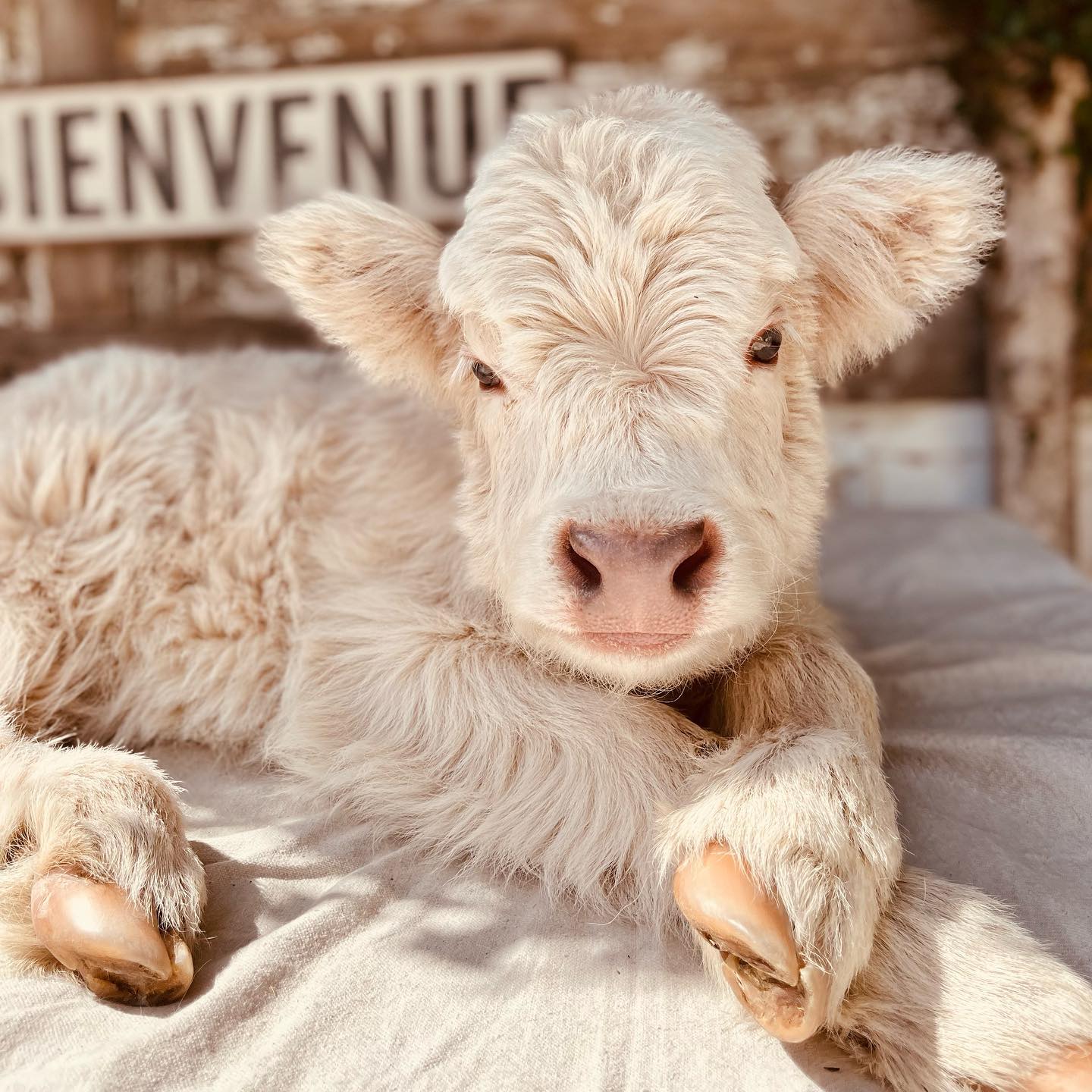
Micro Mini Highland Cow: Feeding Portions Explained
Introduction to Feeding Micro Mini Highland Cows
So you want to know about feeding Micro Mini Highland Cows. Lets talk about the food portions for Micro Mini Highland Cows.
When it comes to Micro Mini Highland Cows people often ask what to feed them and how much.
The thing is, Micro Mini Highland Cows need the amount of food to stay healthy.
For Micro Mini Highland Cows the food portions are really important because they are smaller than cows.
Key Points About Feeding Micro Mini Highland Cows
-
Micro Mini Highland Cows need quality food that is good for them
-
The food portions, for Micro Mini Highland Cows will depend on how old they’re how much they weigh
-
You should always check with a vet to make sure you are feeding your Micro Mini Highland Cows the right amount of food
Micro Mini Highland Cows are animals and they deserve the best food.
Feeding Micro Mini Highland Cows is not that hard you just need to know what you are doing.
People really like livestock nowadays and they are getting more popular everywhere. The Micro Mini Highland Cow is a favorite because it is cute, easy to take care of, and not too big. Lots of people from North America, Europe, Asia, Africa, Australia and the Middle East want to know more about the Micro Mini Highland Cow before they buy one.
When it comes to the Micro Mini Highland Cow, one question that people always ask is how much food the Micro Mini Highland Cow needs. This guide is about the Micro Mini Highland Cow. It tells you how to feed the Micro Mini Highland Cow. The guide is easy to understand. It helps people everywhere. We sell the Micro Mini Highland Cow. We ship it to people all around the world. This guide, to the Micro Mini Highland Cow, is really helpful.
Feeding your cow the right amount of food is really important for its health. It also affects how long your cow lives, the quality of its coat and its behavior. When you get a cow it does not matter if you bought it from a farm near you or from another country. Giving your cow good food starts as soon as it arrives at your place. Your cow needs nutrition to stay healthy and strong.
Understanding the Micro Mini Highland Cow
The Micro Mini Highland Cow is a version of the traditional Highland cattle. People bred them to keep their cool long coat, their gentle nature and the fact that they are hardy. They are still small, which makes the Micro Mini Highland Cow perfect for farms, homesteads, private estates, schools, and therapy programs all around the world. The Micro Mini Highland Cow is great because of their size.
When you have a Micro Mini Highland Cow you need to think about food in a specific way. This is because a Micro Mini Highland Cow is a lot smaller than cows. So feeding a Micro Mini Highland Cow is not like feeding cattle. That is why people who just got a Micro Mini Highland Cow need to learn about Micro Mini Highland Cow food portions. It is really important for them to know this.
Why Proper Feeding Portions Matter
Feeding the portions is really important for the health of animals. If you feed them too much it can cause a lot of problems like obesity and joint strain. Animals that are overfed can also have metabolic disorders and calving difficulties. On the other hand, if you do not feed them enough the quality of their coat will be poor, they will have low energy, and their immunity will be weakened. This can also affect their growth. They may not grow as they should. Feeding the portions is critical to avoid these health problems in animals, and it is very important to get it right to keep them healthy.
Key Benefits of Correct Feeding Portions
-
Healthy growth and development
-
Proper digestion and rumen function
-
Long lifespan and reproductive health
-
Calm temperament
-
Beautiful, thick Highland coats
People who buy Mini Highland Cows from different countries often wonder if the way we feed them is different in other places. The good thing is that the basic rules for feeding Micro Mini Highland Cow are the same, so the information about Mini Highland Cow feeding is useful for everyone no matter where they live.
Digestive System Basics of Micro Mini Highland Cows
Mini Highland Cows are animals that eat plants. They have a stomach with four parts that helps them digest the tough parts of plants. Mini Highland Cows do well when they eat food that is made from plants that grow in fields like grass. They do not do well when they eat a lot of grain like the kind people eat for breakfast. Mini Highland Cows need to eat plants to stay healthy.
Key Digestive Facts
-
Forage is really important for a diet. It should make up 80–90% of the food.
-
Slow, steady intake is healthier than large meals
-
Fresh water must always be available
-
Avoid sudden feed changes, as they can cause digestive problems
To take care of a Mini Highland Cow you need to know how digestion works. Digestion is really important for Micro Mini Highland Cow. Understanding digestion is key to figuring out the feeding portions for Mini Highland Cow.
Daily Feeding Portions by Age
Feeding Calves (0–6 Months)
Young calves need milk or a milk substitute a lot when they are little. They drink this milk for a while before they start eating foods like grass and hay. The calves do this slowly over time so they can get used to the food. Young calves are eating forage after they have been drinking the milk or milk substitute for a bit.
Typical feeding portions include:
-
Milk or milk replacer: 8–10% of body weight daily
-
Small amounts of soft hay starting at 2–3 weeks
-
Access to clean water from day one
Food that young Mini Highland Cows eat is really important for their health for the rest of their lives. That is why Mini Highland Cow: Feeding Portions Explained is so important for people who breed or buy Mini Highland Cows.
Feeding Juveniles (6–12 Months)
When calves get bigger, they start to drink milk and eat more food, like grass and hay. This is because calves need to eat forage as they grow. The amount of milk they drink decreases gradually while forage intake increases.
Recommended portions:
-
Free-choice grass hay
-
Small controlled portions of calf grower feed if needed
-
Mineral supplementation
Avoid overfeeding at this stage to prevent excess weight gain.
Feeding Adults (1 Year and Older)
Adult Mini Highland Cows eat more than calves but still much less than standard cattle.
Average daily portions:
-
1.5–2% of body weight in forage
-
Minimal grain only if necessary
-
Free-choice minerals and salt
This feeding approach keeps Micro Mini Highland Cows healthy and in great shape.
Forage: The Foundation of the Diet
Good quality forage is crucial for health. Grass hay and pasture grass provide essential fiber. Mixed forage blends are also effective.
Recommended forage types:
-
Timothy hay
-
Orchard grass
-
Native pasture grasses
-
Mixed grass hay
Avoid too much alfalfa for adults, as it can be too rich. Food quality directly affects feeding portions for Mini Highland Cow.
Grain: When and How Much
Grain is not always necessary. Micro Mini Highland Cows thrive primarily on forage alone. Grain can be used:
-
During pregnancy or lactation
-
For underweight animals
-
In harsh winter climates
Keep portions small to avoid overfeeding.
Seasonal Feeding Adjustments
Feeding in Winter
Cold weather increases energy needs.
Winter adjustments:
-
Slightly increased hay portions
-
Higher-quality forage
-
Ensure water does not freeze
Feeding in Summer
Hot weather reduces appetite but increases water needs.
Summer tips:
-
Feed during cooler hours
-
Provide shade and ventilation
-
Focus on hydration
Feeding Pregnant and Nursing Cows
Pregnancy and lactation require extra nutrients.
Recommended adjustments:
-
Increased forage intake
-
Balanced mineral supplementation
-
Small energy boosts if needed
Minerals and Supplements
Minerals are essential for strong bones, healthy coats, and immune support.
Key minerals:
-
Calcium
-
Phosphorus
-
Magnesium
-
Copper (in safe amounts)
Always use cattle-specific mineral blends suitable for your region.
Water Intake Requirements
Clean, fresh water is non-negotiable. Needs vary by:
-
Temperature
-
Diet
-
Activity level
Water prevents dehydration and supports digestion.
Common Feeding Mistakes to Avoid
First-time owners often make mistakes such as:
-
Overfeeding grain
-
Feeding low-quality hay
-
Sudden diet changes
-
Ignoring mineral needs
Avoiding these mistakes ensures long-term success.
Feeding and Coat Quality
Nutrition directly affects the famous Highland coat.
Proper feeding results in:
-
Thick, glossy hair
-
Reduced shedding
-
Strong skin health
Feeding for Longevity
Balanced feeding supports:
-
Healthy joints
-
Stable digestion
-
Reduced metabolic stress
Owners who follow a feeding plan maintain healthier, happier cattle.
Feeding Micro Mini Highland Cows Worldwide
We sell and ship Mini Highland Cows worldwide. Feeding practices remain consistent, with regional adjustments for local forage types.
Our support includes:
-
Feeding recommendations by region
-
Transition plans after arrival
-
Ongoing nutritional support
Transitioning After International Shipping
Post-arrival feeding should be gradual.
Tips:
-
Offer familiar forage first
-
Avoid grain initially
-
Monitor appetite and hydration
Preparing Your Property for Feeding
Ensure readiness before arrival:
-
Adequate hay storage
-
Clean feeding areas
-
Mineral access
-
Reliable water supply
Long-Term Feeding Planning
Owning a Micro Mini Highland Cow requires:
-
Food
-
A place to live
-
Veterinary care
-
Seasonal feed availability
-
Emergency reserves
-
Ongoing nutritional evaluation
Final Thoughts on Feeding Portions
Feeding your Mini Highland Cow correctly ensures a healthy, happy animal. Understanding portion sizes, forage quality, seasonal needs, and life-stage requirements helps buyers feel confident in their feeding decisions.
No comment